
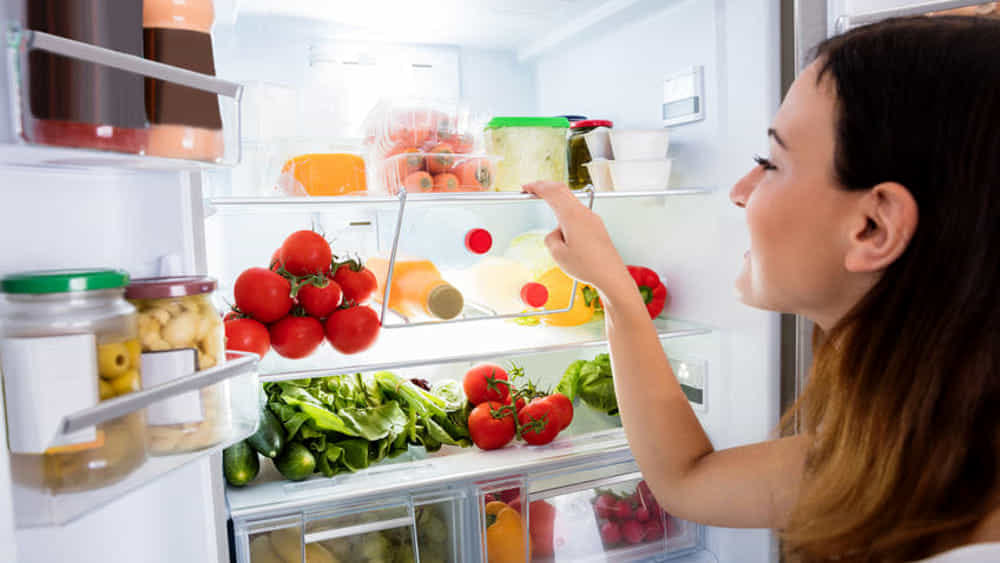

For those working in the food sector, from farmers to restaurateurs, knowing the rules relating to food hygiene and safety is an essential requirement. The HACCP system (Hazard Analysis Critical Control Points), imposed by Regulation (EC) No. 852/2004, defines, for preventive purposes and to protect consumers, all food hygiene and safety standards that companies in the sector are required to comply with. Food storage temperatures are among the parameters regulated by HACCP legislation, which also defines the procedures to be implemented in the event of faults or malfunctions of refrigeration equipment. Compliance with these temperatures must be maintained throughout the so-called “cold chain”, namely a series of processes that include the transport and storage at controlled temperature of perishable food products. In practice, from the time of production to the time of sale, with the product being taken from the refrigerated counter by the consumer, perishable products must always be kept within specific temperature ranges in order to guarantee their wholesomeness and the maintenance of their organoleptic and nutritional characteristics. In the case of small businesses with only one refrigerator, applying the HACCP provisions concerning temperature diversification clearly becomes less simple. In any case, since it is not possible to disregard the legislation, some simple measures can be taken, which are also very useful in the home environment, concerning the management of spaces and the compartmentalisation of the refrigerator. The internal temperature of the refrigerator is in fact never uniform and, to ensure the right degree of cold, each product should be placed on a specific shelf and not arranged randomly.
The temperature inside the appliance varies according to the area. It is lower, 0°/+4°C, on the shelf just above the drawer intended for fruit and vegetables, where present, and rises as you move to the upper shelves (+6°/+8°C). In the door, however, the temperature undergoes fluctuations due to opening and closing (up to +10°/+15°C), which may be harmful for foods such as eggs, which, being particularly sensitive to temperature changes, should be kept at a constant temperature of +4°/+5°C, and milk, which should be stored at +4°C, on the middle shelf.
On the lower shelves of the refrigerator, where temperatures are lower (+0/+4°C), fresh meat and fish should be stored; on the middle shelves, delicate ingredients such as cured meats, eggs, cheeses, dairy products and all products that require refrigeration immediately after opening (sauces, gravies, etc.); on the top shelf, where the temperature remains between +6/+8°C, semi-processed foods, fruit (with the exception of citrus fruits and fruit that is still unripe) and vegetables, if there is no drawer intended for their storage. The drawers, in fact, although positioned in the lower part of the refrigerator, have a higher temperature than the upper shelves (up to +10°C). Finally, the compartments/shelves located on the inside of the door are ideal for storing wine, water, fruit juices and drinks. As regards leftovers, these must be kept on the coldest shelf of the refrigerator, closed in an airtight container, preferably made of glass. Alternatively, a plastic container may be used, provided that it is suitable for food contact.
It is always advisable to avoid placing hot foods in the refrigerator, in order to prevent any condensation inside the container and a sudden rise in the internal temperature of the appliance.
There are some exceptions to the above rules relating to certain particular food preparations. Deli products with food gelatine and desserts covered or filled with milk-, cream- or egg-based creams in fact require low temperatures, no higher than +4°C. Some cooked foods to be consumed cold or around room temperature, such as roast beef and roast meat, need to be kept at a temperature of +10°C, while live mussels and bivalve molluscs require an average temperature of around +6°C. In many cases, it is therefore necessary to pay attention to the storage temperatures indicated by the producer.
Where possible, in fact, it is advisable to make sure that a food, however familiar, does not have particular characteristics that make it suitable for a different type of storage than the usual one.